

Wash & Care Instructions
Our beds are crafted with the utmost attention to detail and quality, using only the finest materials. Every design is carefully considered to ensure timeless elegance that will elevate any bedroom. With our commitment to durability and longevity, you can be confident that your bed will provide comfort and luxury for many years to come.
Carpe Diem Beds offers premium craftsmanship, the best comfort, design, and quality. The mattress topper is made of carefully selected materials and is free from substances that may be harmful to human health and the environment. All to make you feel confident in your choice of mattress topper. Worn-out mattress toppers should be taken to the nearest recycling centre.

Adjusting to your new bed
When you first start sleeping on a new bed, it may feel unfamiliar, and your body might react to the change. This is similar to the stiffness that can result from exercising. It's important to give your body time to adjust to the new mattress. This process can take anywhere from a few nights to a couple of months.
With time, you'll notice the bed softening in the areas where it's used the most, particularly around the shoulders and bottom. This is a natural process, a testament to the bed's quality as it adapts to the unique contours of your body.

Rotating Your Mattress
To extend the lifespan of your mattress, we recommend rotating (reversing) the position of the mattress. This should be done once a year.
If you have two mattresses lying beside one another and often lie in the joint between them, the elastic core may become stretched, forming a gap. If this occurs, swap the position of the mattresses (if they have the same firmness). If the firmness of the beds differs, reverse them (it can be good to do this on a regular basis). This allows the feathers to revert to their original position and better retain their comfort.
Mattress Covers
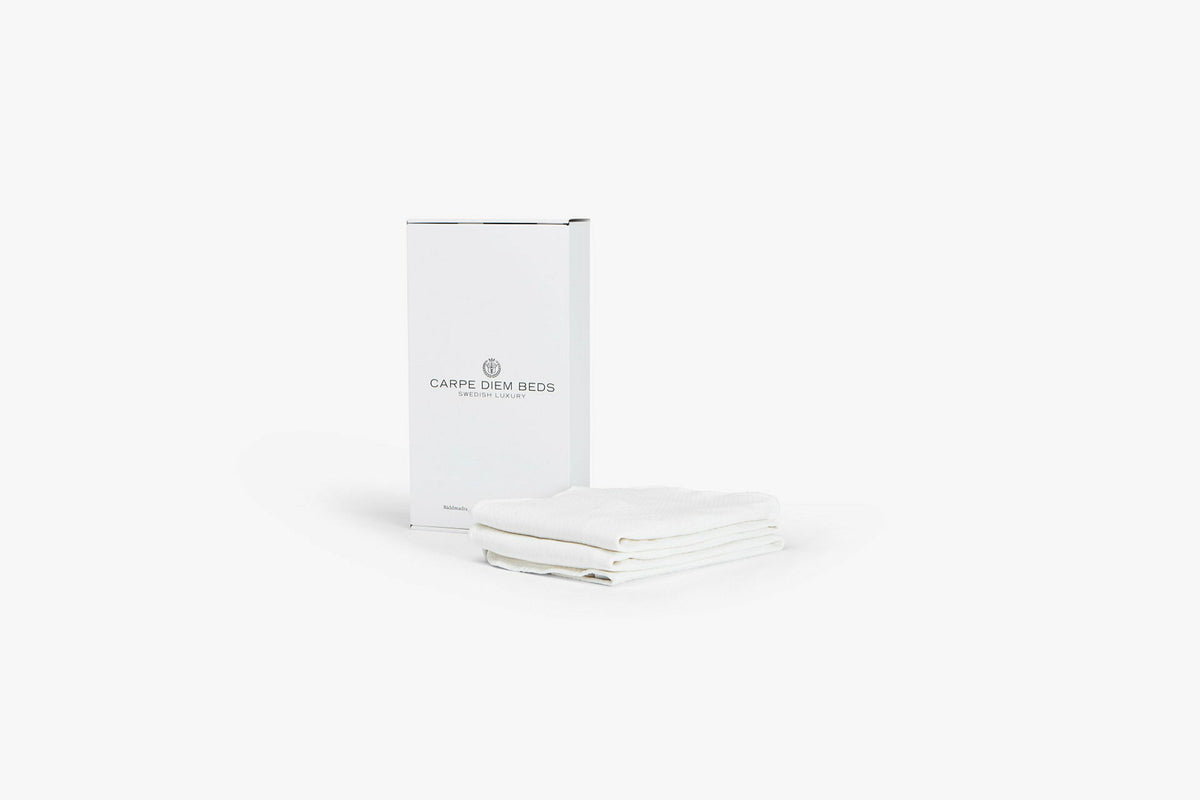
To keep your mattress topper clean and prevent it from getting stained, it's recommended that you use a mattress cover. This will also help to extend the life of your mattress topper.


Care For Your Mattress Topper
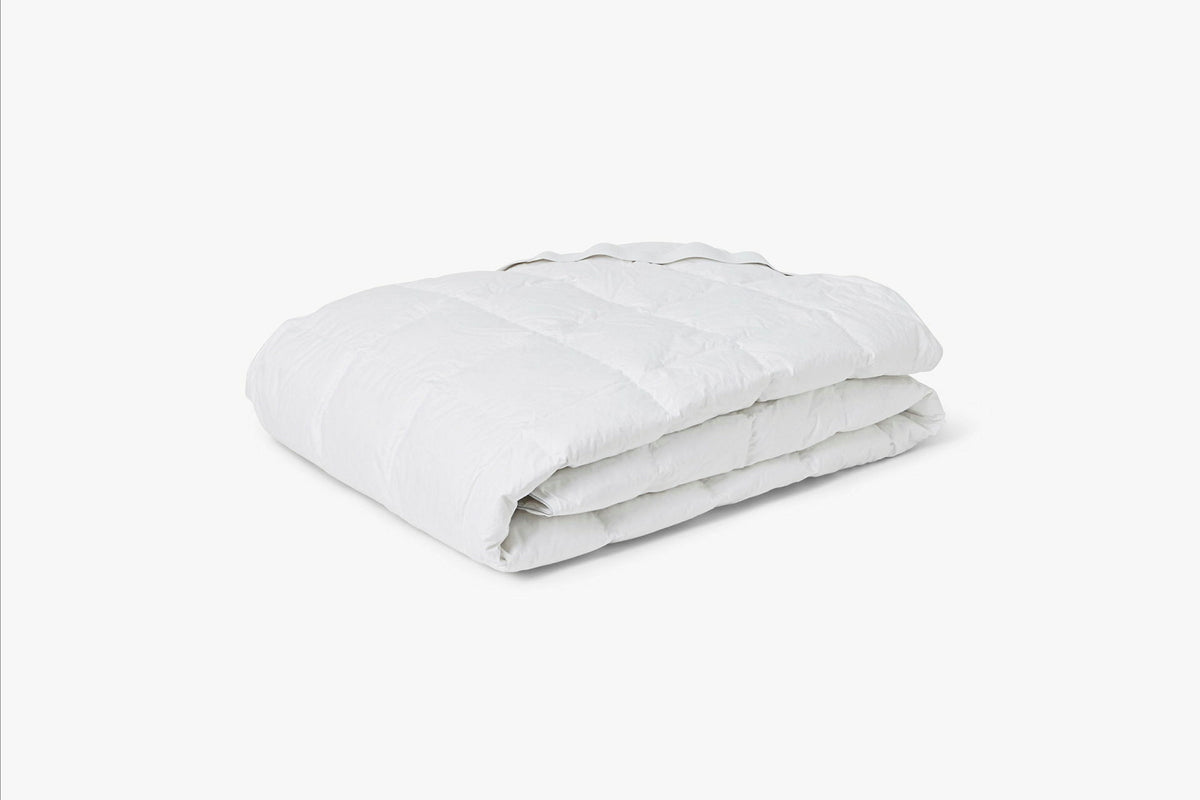
The filling in your mattress topper will become slightly thinner where you apply the most pressure on the mattress topper, most commonly at the shoulders and hips. This is entirely natural as the mattress topper conforms to your body. To help the mattress topper maintain its shape better, you should turn and rotate it regularly. It should also be shaken and aired out. Sometimes folds may form due to the filling being compressed. In that case, you may need to stretch or shake the bolster.
Mattress Toppers
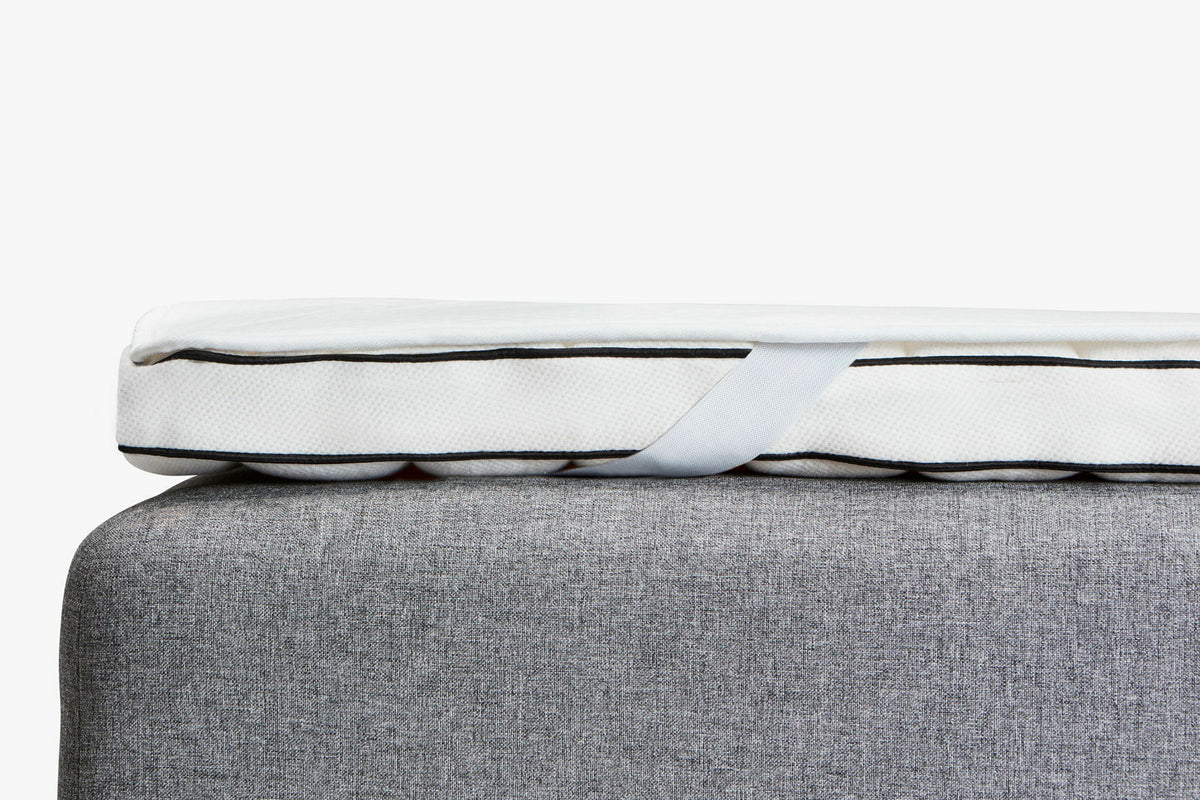
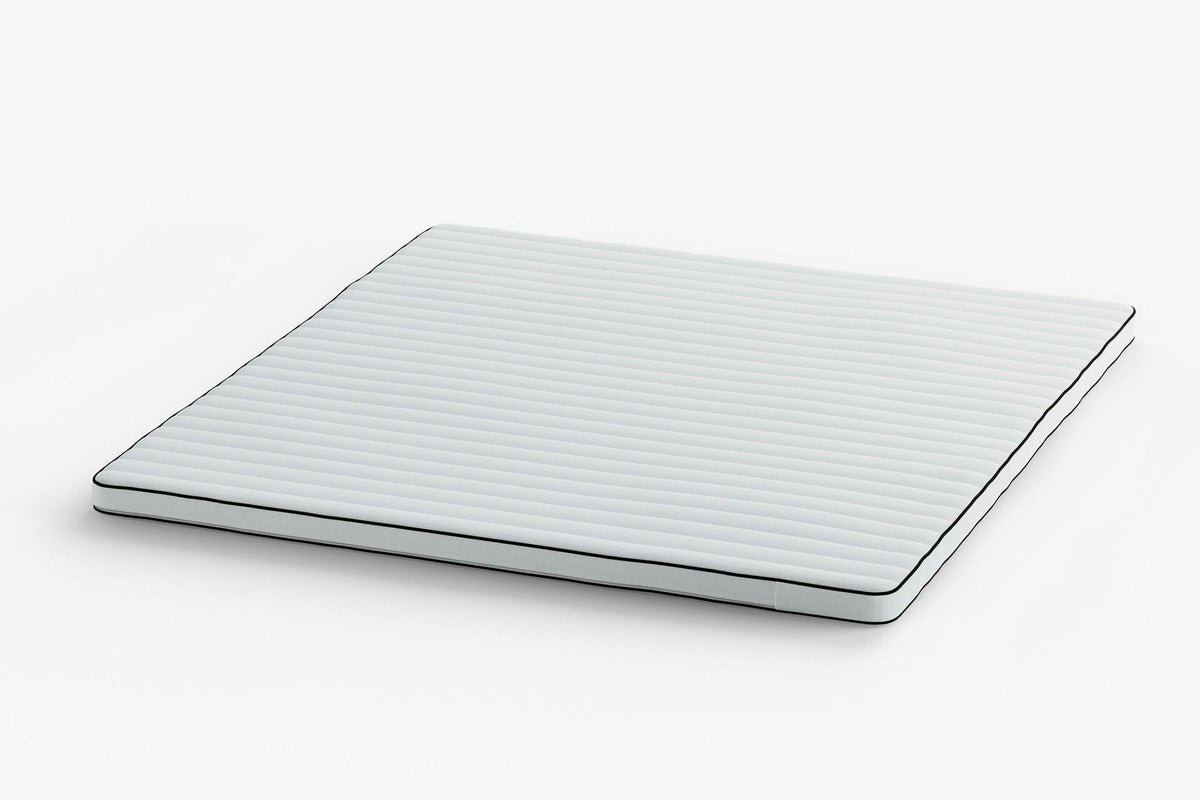
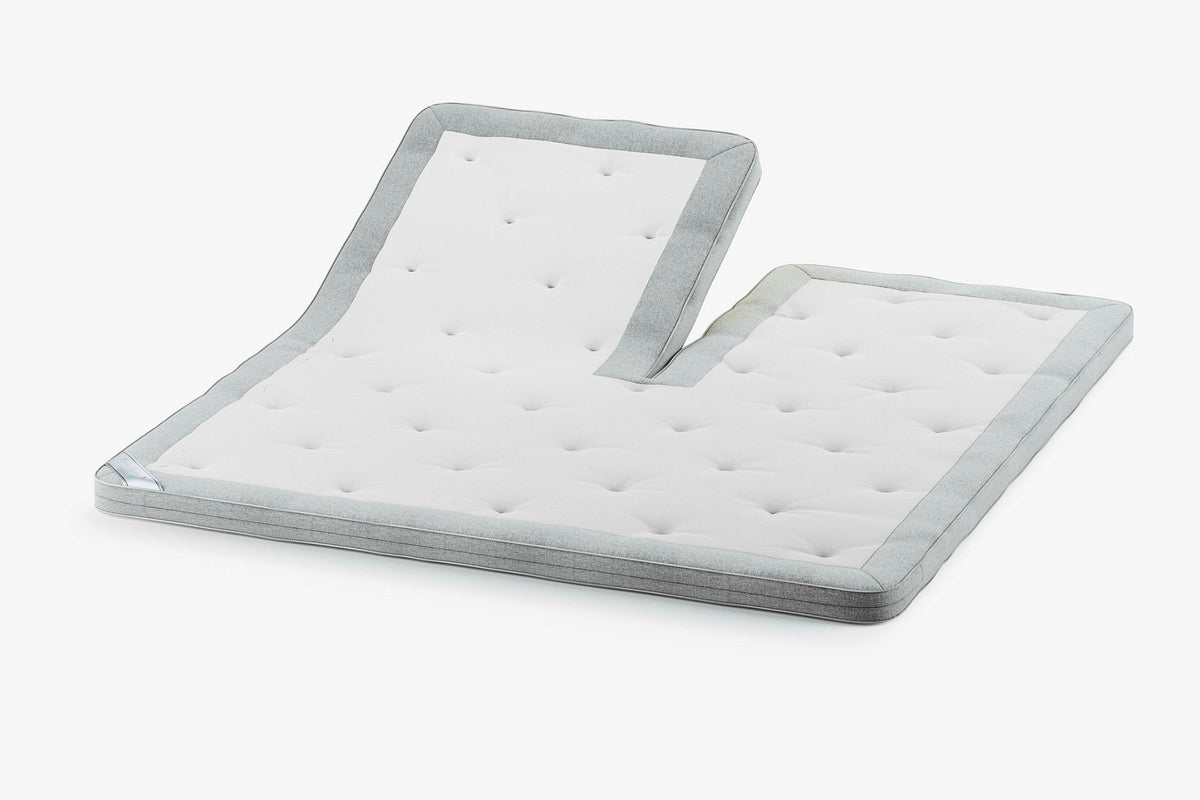
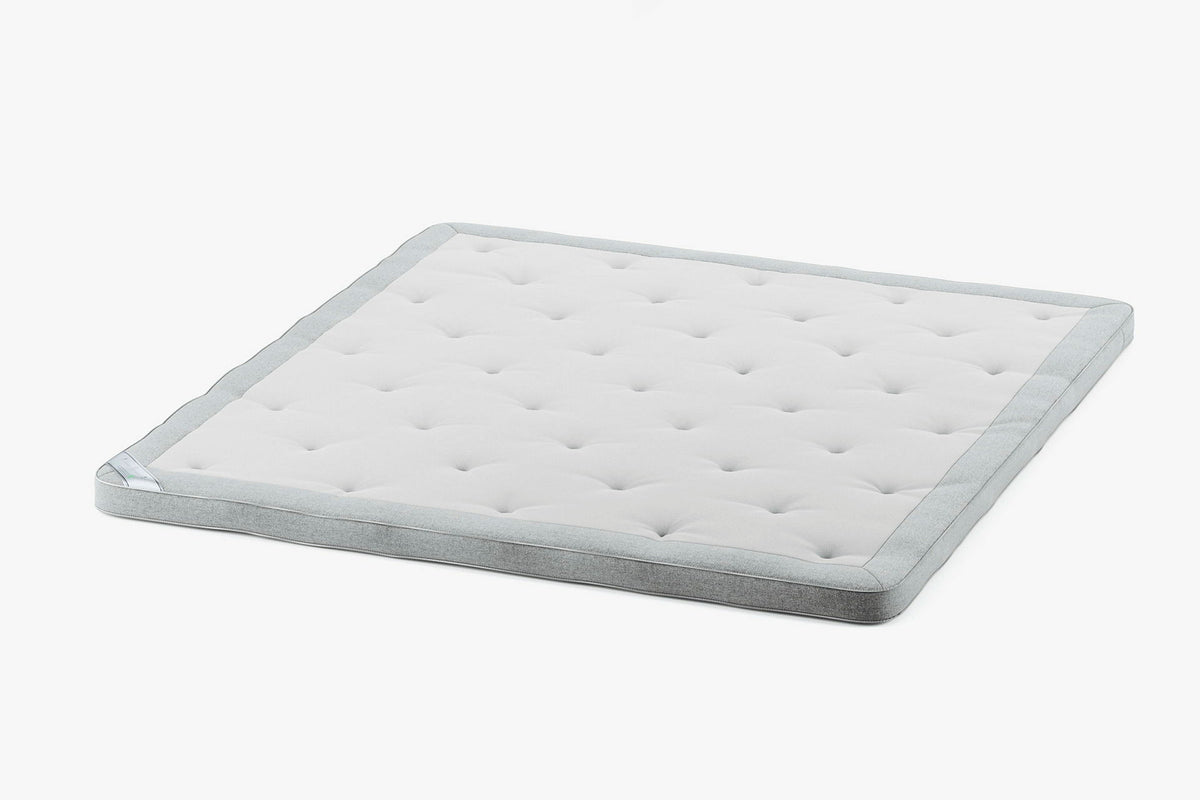
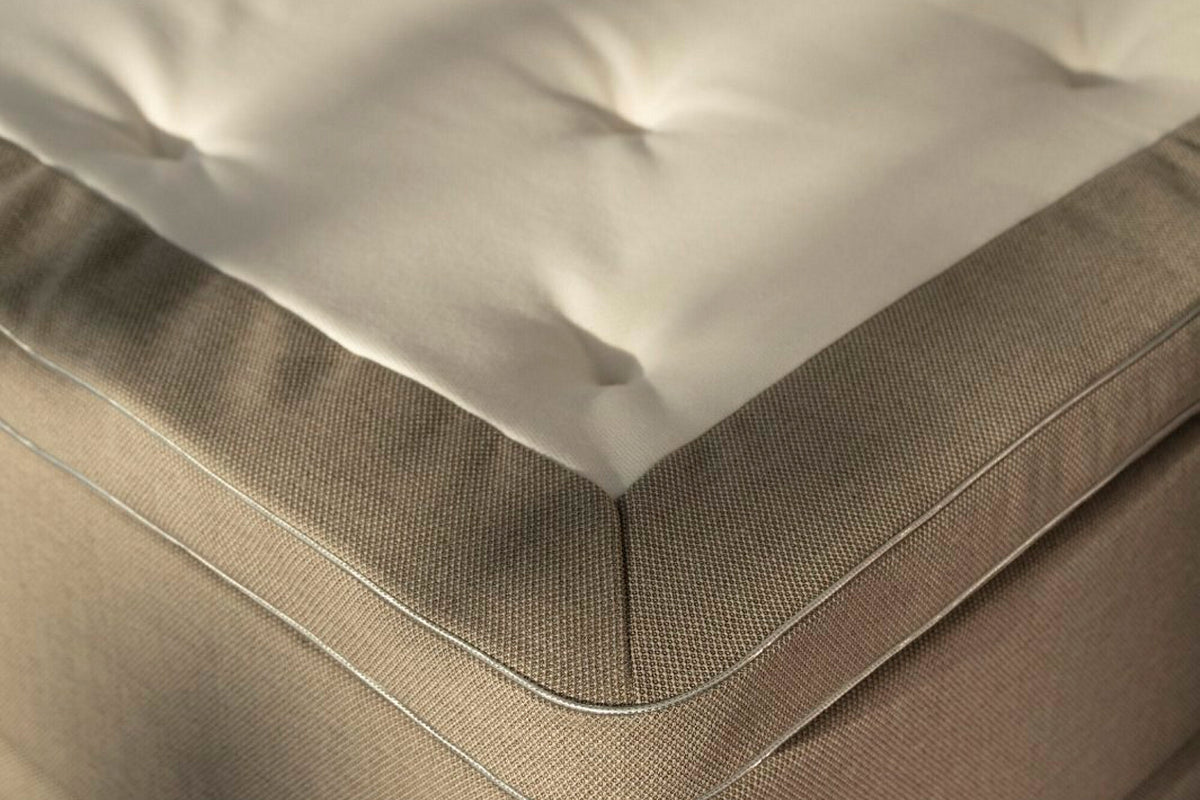
Carpe Diem Beds mattress topper Luxury with wool, Talalay latex, and cotton contains natural materials. To keep the material in place, we have quilted it. Due to the seams in the quilting, it is not washable. For minor stains, we recommend foam washing – never water. We recommend using Carpe Diem Beds mattress protectors, which are washable at 60°C. You can purchase the mattress protector from our retailers or through our website.
Carpe Diem Beds bed mattress topper Prestige with Talalay latex has a removable and washable cover at 60°. Drip-dried and stretched while wet.
A mattress protector is recommended for easier washing and extra protection.
Dirt and stains
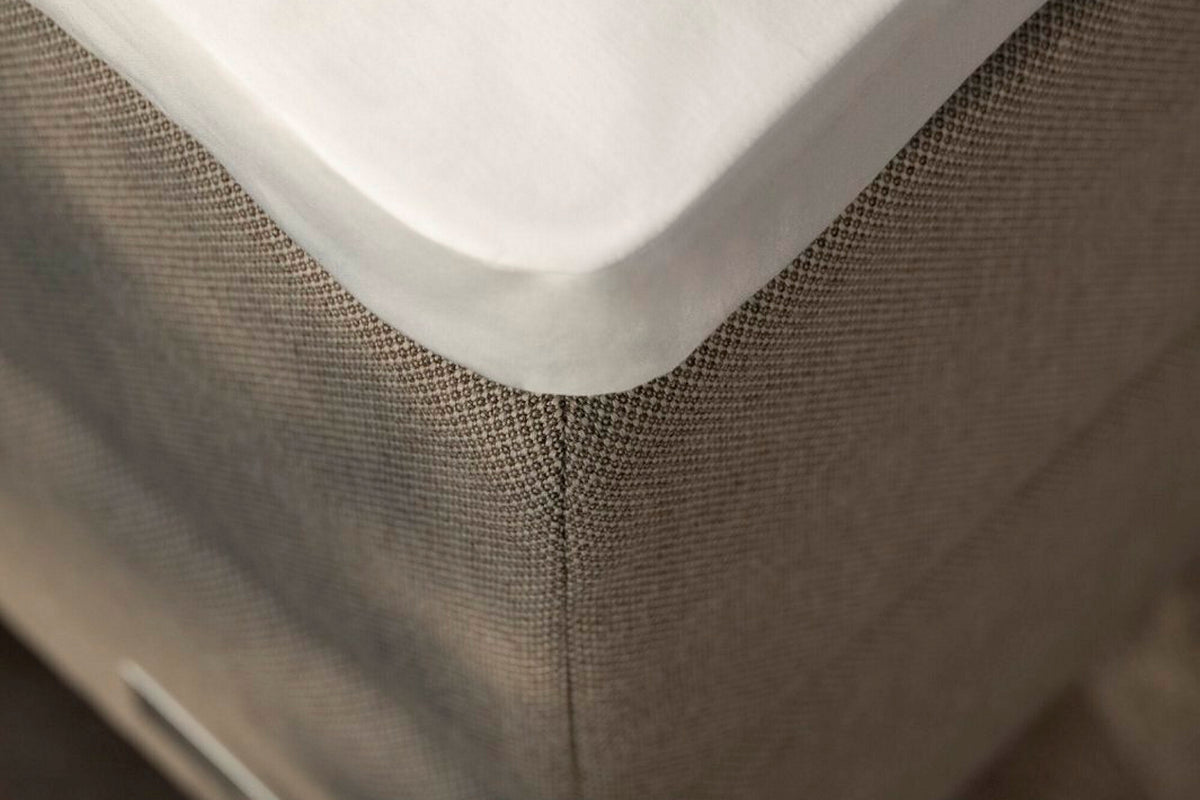
Bed mattresses and the parts of the bed that are fitted with fabric may be cleaned with textile cleaner. To extend the lifespan and preserve the comfort and integrity of your mattress, we recommend simple, regular care. Lightly brushing the surface with a soft upholstery brush helps remove dust while supporting the mattress’s natural ability to breathe. Vacuum cleaning is not advised, as it can disrupt the fine fibres and carefully layered materials. In the event of a spill, gently spot clean using cold water and a mild detergent, then allow the mattress to dry naturally.
Before using any product on your mattress, see the care instructions for your chosen fabric.
Bed legs
Noise (creaking and squeaking) may occur if the legs are not sufficiently tightened. Check that the legs are adequately tightened.


